TRYBE Took the Stage at JCCI 2026
Metal-free implantology is a relatively new field. Dentists who work in it need a space to share what they're learning and figure out what truly benefits patients. The Joint Congress for Ceramic Implantology (JCCI) exists for exactly that reason.
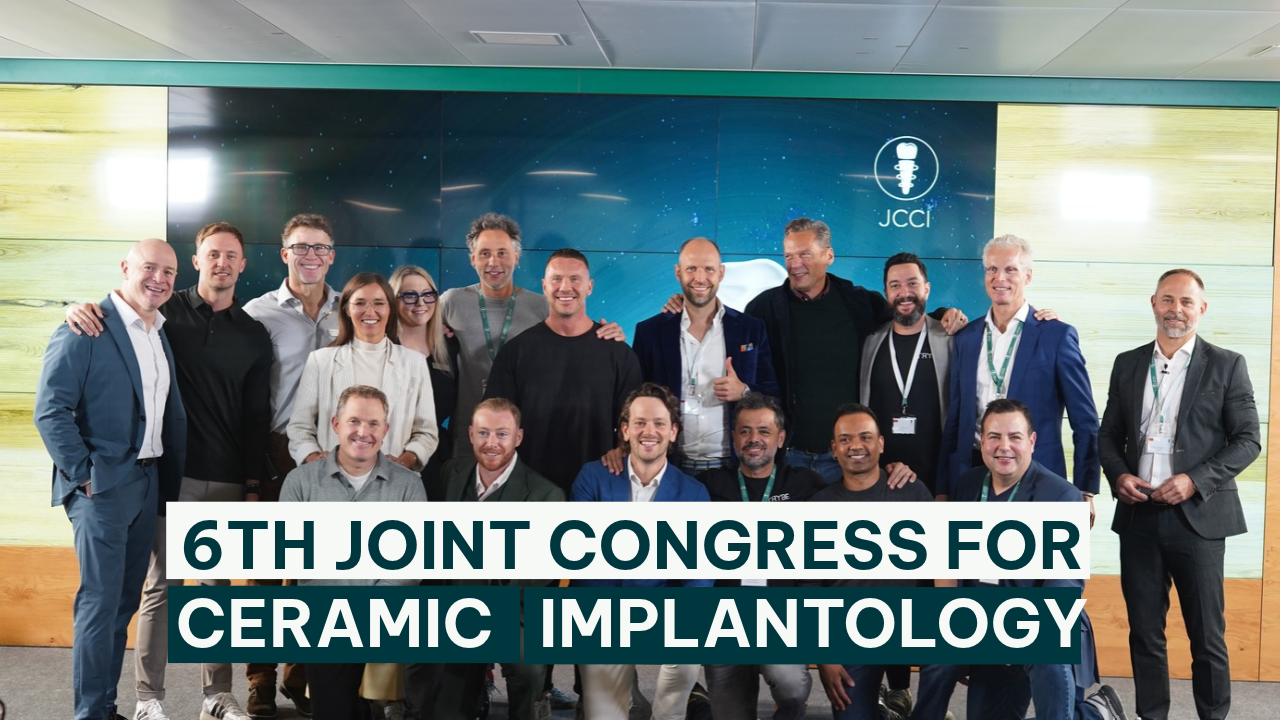
This year's 6th edition brought together twenty speakers under the motto "From Consensus to Chairside: The Playbook for Ceramic Success." Two of them were TRYBE's own Dr. Andrés Fernández and Dr. Alejandro Mora.
What Is JCCI?
JCCI is an international congress focused entirely on metal-free implantology, now in its sixth year. Over two days, speakers share clinical insights and protocols covering integrative biological dentistry, surgery, and prosthetics.
The congress brings together dentists and researchers who believe in metal-free dentistry and are building the scientific evidence to support it. This year's motto tied directly to a major milestone: the first global consensus on zirconia implant protocols.
The Nice Consensus Behind the Congress
In September, clinicians and researchers from Europe, the USA, South America, and beyond gathered in Nice, France, for the first global consensus on zirconia implants. The goal was to agree on standardized protocols for placing ceramic implants.
Two teams drove the work: a scientific group from the USA, Switzerland, Germany, and Greece spent six months reviewing the literature, while a clinical team of seven surgeons from Germany, the Netherlands, Switzerland, Slovenia, Brazil, and Costa Rica translated that research into real-world practice.
The International Circle for Biological Implantology (ICBI) chose Dr. Andrés Fernández to represent the clinical side.
Dr. Andrés Fernández: From Consensus to the Clinic
Dr. Fernández, TRYBE's Director of Bioregenerative Interventions and oral and maxillofacial surgeon, opened the first block of the congress with a session called "The Clinic: Consensus in Practice."
His role was to take the results from Nice and show how they apply in daily clinical work. He walked through TRYBE's in-office protocols and the science behind them, including work with stem cells, exosomes, and the hyperbaric chamber.
Research only helps patients when it becomes practical steps a clinic can follow. That was the gap he aimed to close.
Dr. Alejandro Mora: Preventing Failures Before They Start
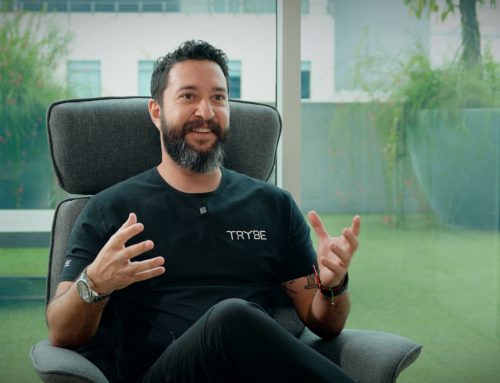
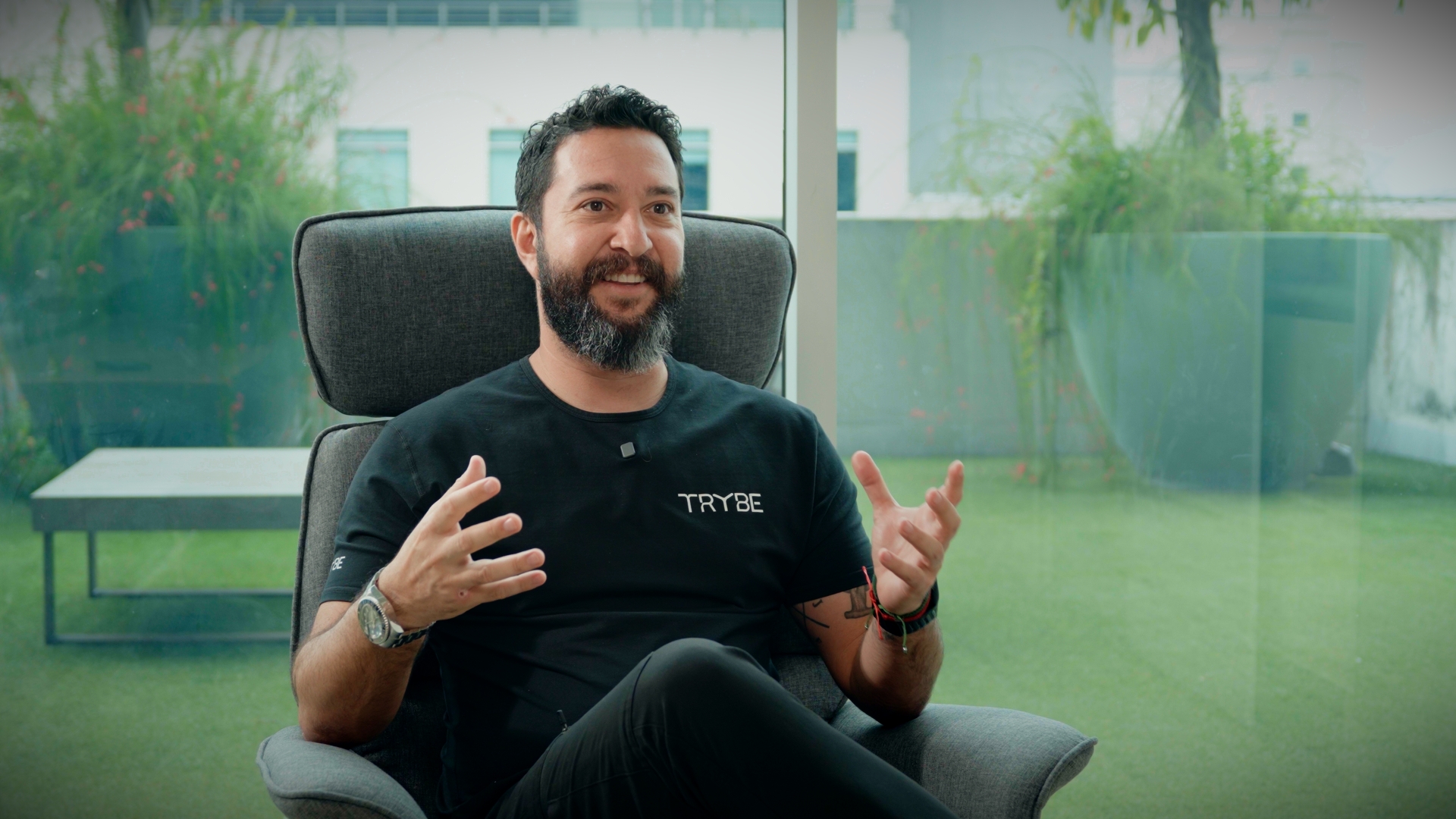
Dr. Mora, TRYBE's Regenerative Aesthetics Director and prosthodontist, led a session called "Prosthetic Strategies for the Prevention of Complications and Failures."
"I get all these complex cases that sometimes are not handled right from the beginning, and that's where the complications come from."
Dr. Alejandro Mora, JCCI 2026His goal was to help dentists in the room shorten their learning curve, so they could plan correctly from the start. He began working with ceramic implants after his first ten years in dentistry using titanium. After visiting Kreuzlingen and meeting Dr. Volz, he switched his practice fully to zirconia.
"I needed to find something new, something that really felt different and better for my patients, and I found it here."
Dr. Alejandro Mora, JCCI 2026Why TRYBE teaches at congresses like JCCI
The more dentists who know how to plan and place ceramic implants well, the more patients can get a metal-free option done right. TRYBE shares what works because better training leads to better outcomes, wherever the surgery happens.
What This Means for You
If you are considering a ceramic implant, the doctors who spoke at JCCI will be the ones planning your case. Your plan starts with a CT scan and a clear map of your jaw. Your prosthetic plan is designed from the start to prevent problems later. And you get a team that keeps learning and brings that knowledge back to every patient.