
Dr. Sofía Quesada
Biological Wellness Dentist
Dr. Sofía Quesada studied at UCR, focusing on surgery, sedation care, and restorative treatment. She works closely with Dr. Andrés Fernández at TRYBE, assisting in his surgeries and following up with patients in the weeks after, when true healing takes place. For her, making patients feel understood is just as important as the treatment itself.
- Biological Dentistry
- 5+ Years of Experience
- Surgical & Sedation Focus
- English · Spanish

What Dr. Sofía Treats
Feel at ease before and after surgery
Dr. Quesada is trained in surgery, sedation care, and restorative treatment. She is in the operating room for every case Dr. Fernández works on, preparing patients before sedation, assisting during surgery, and checking in with them once they are home.
Cavitation Surgery
A cavitation is a void in the jawbone where an extraction site never fully rebuilt — most often a wisdom tooth site. There is usually no local pain, which is why it goes unnoticed for years. The treatment involves a minimal incision, removing the dead tissue, ozone sterilisation, applying PRF and placing a bone graft, followed by full closure so the bone heals from within. Diagnosed with a CT scan. Treated at the source.
Metal-Free Zirconia Implants
Zirconia is a ceramic that does not corrode, conduct electrical current, or release metal ions into surrounding tissue. For patients with autoimmune diseases, metal sensitivities, or a failed titanium implant, this difference is the deciding factor. 100% biocompatible. No metal underneath.
Titanium Implant & Hardware Removal
Failing titanium implants, peri-implantitis, and facial surgical hardware are removed and the bone is rebuilt underneath, so the site can carry a biocompatible replacement rather than simply being emptied. Planned with 3D imaging to map the exact site and avoid disturbing surrounding structure.
Biological Jaw Surgery
Joint locking, restricted opening, headaches, and a jaw position that narrows the airway during sleep. Each case is mapped in three dimensions and movements are simulated before surgery starts. Arthroscopy together with joint reconstruction is offered when the joint itself is the issue.
How She Works
Key factors that influence surgical outcomes
Biological materials only
We use zirconia instead of titanium because it does not corrode, does not conduct electricity, and does not trigger the immune system. Any existing metal is removed, not just avoided in future treatments. When grafting is needed, we start with the patient's own PRF before considering material from animals or cadavers.
Modern surgical approach
We fully remove all infected tissue, including areas from root canals and cavitations. Before surgery, we use digital planning with CT scan imaging to guide every step. This approach means less trauma, greater precision, and ensures nothing is left behind.
Healing is part of the surgery
Exosomes, oxygen support, IV therapy, and supplements are all included in your treatment plan from the very beginning — not just added if problems arise. This approach to healing offers more than what you may have experienced before.
Credentials
Education and specialty training
DDS, Doctor of Dental Surgery
Universidad de Costa Rica (UCR)
Advanced Training in Surgery, Sedation Care & Restorative Treatment
Mentorship Under Dr. Andrés Fernández
Currently training at TRYBE Biological Dentistry
Where to Find Her
TRYBE Biological Dentistry
Address
Avenida Escazú, San Rafael, San José, 10203, Costa Rica
U.S. Line
Patient Coordinator
Consultation hours
Before You Book
Know all the details before your trip
A cavitation is a hollow area in the jawbone where an extraction site never fully rebuilt — most often a wisdom tooth site. There is usually no local pain, which is why it goes unnoticed for years. What patients report instead is systemic: fatigue, brain fog, unexplained inflammation, autoimmune flares. A CT scan is what confirms it; symptoms alone cannot.
Zirconia is ceramic, so it does not corrode, does not conduct electrical current, and does not release metal ions into surrounding tissue. For patients with autoimmune conditions, metal sensitivities, or a titanium implant that has already failed, that difference is the whole decision.
Dr. Fernández leads the surgical part of implant, cavitation, explant, and jaw surgery cases. Dr. Sofía is with you every step — getting you ready before surgery, helping in the operating room, and checking in with you during recovery. Dr. Mora and the restorative team handle the crowns, bridges, and final prosthetics. The whole plan is made together before treatment begins.
Yes. Consultation, surgical planning, and follow-up are all available in English, and the patient coordinator handles scheduling and travel arrangements in English as well.
Yes. International patients generally start by sending photographs and any imaging they already have, and when you get to Costa Rica, a CT scan will be included in your treatment program. This is sufficient for the initial assessment and for obtaining a treatment quote before you decide to go.
Yes. This is one of the more common second-opinion cases the team sees — old titanium hardware from prior jaw or facial surgery that's become a source of chronic inflammation. Removal is planned with 3D imaging first to map the exact site and avoid disturbing surrounding structure.
The Rest of the Team
Who else you may meet at TRYBE

Dr. Andrés Fernández
Director of Bioregenerative Interventions
View profile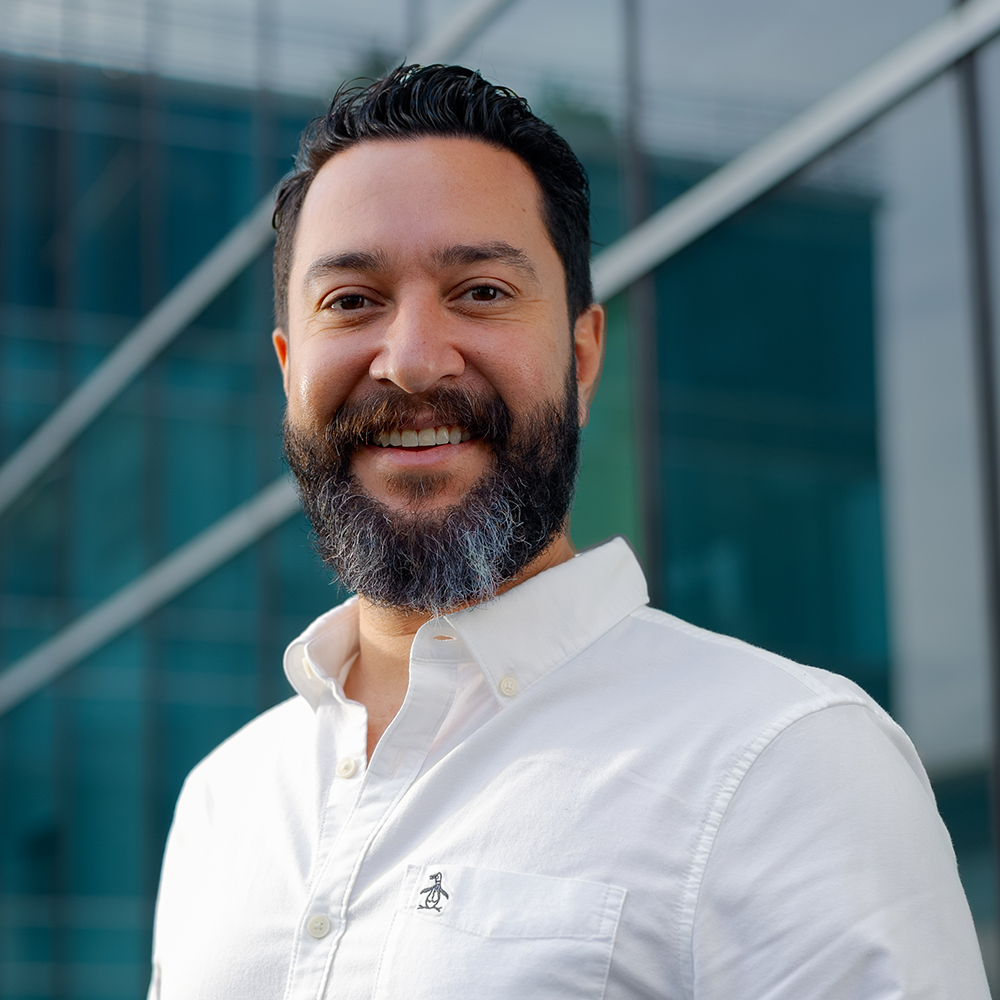
Dr. Alejandro Mora
Regenerative Aesthetics Director
View profile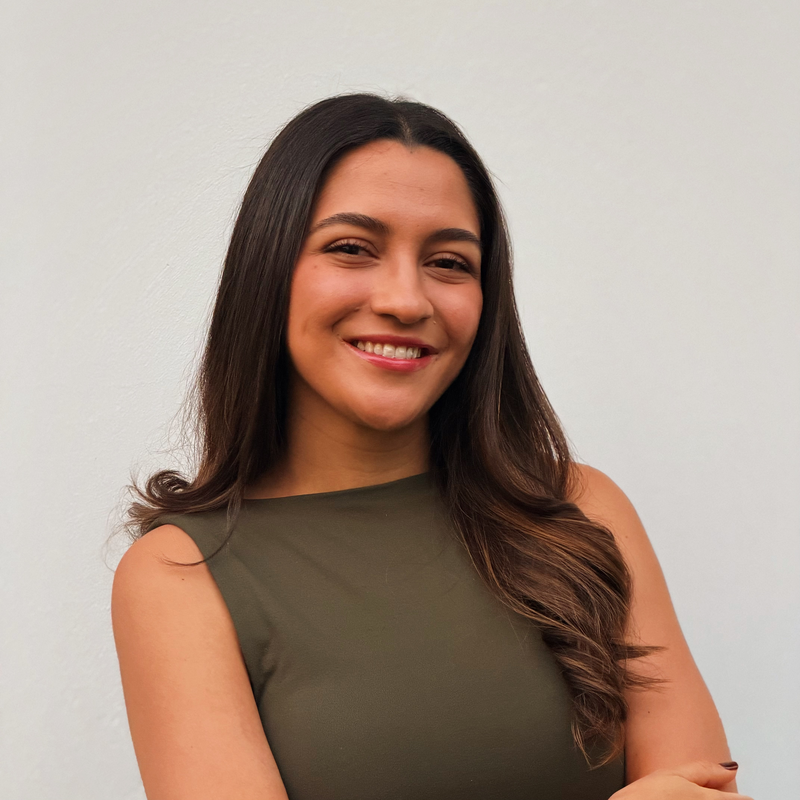
Dra. Luciana Martínez
Human Optimization Specialist
View profileStart with a case review
Send your photos and X-Rays. Our team will review your case and let you know what to expect from surgery, sedation, and recovery before you travel to Costa Rica.