TRYBE at Central America's First Regenerative Medicine Summit
Regenerative medicine changes fast, and it's tough for most people to keep up. New therapies appear every year, and sometimes the claims outpace the science. With so many options, it can feel like everyone is promising a miracle cure. We work hard to stay current and know what's truly effective.
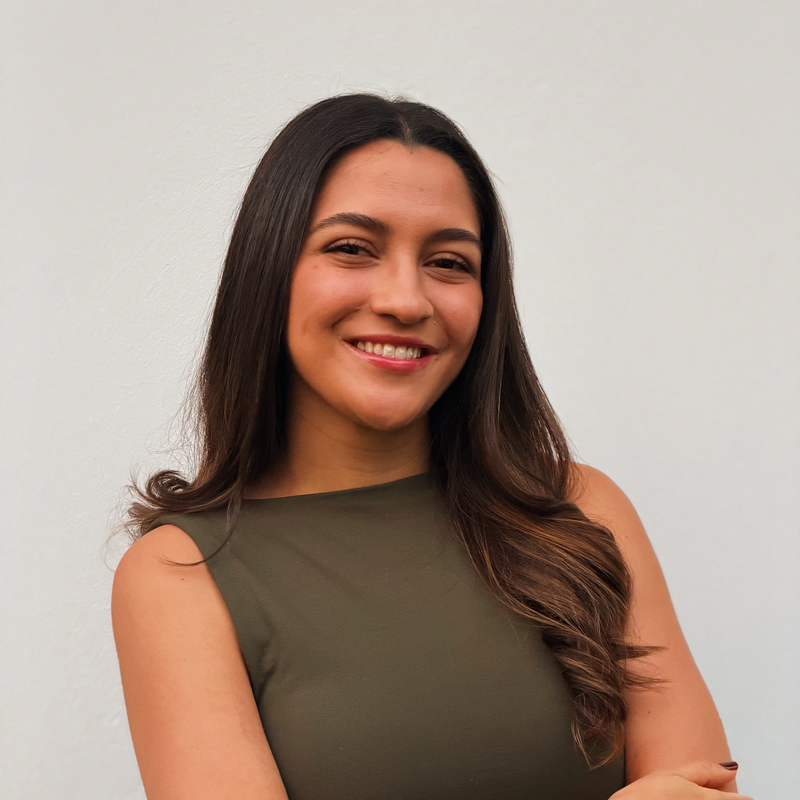
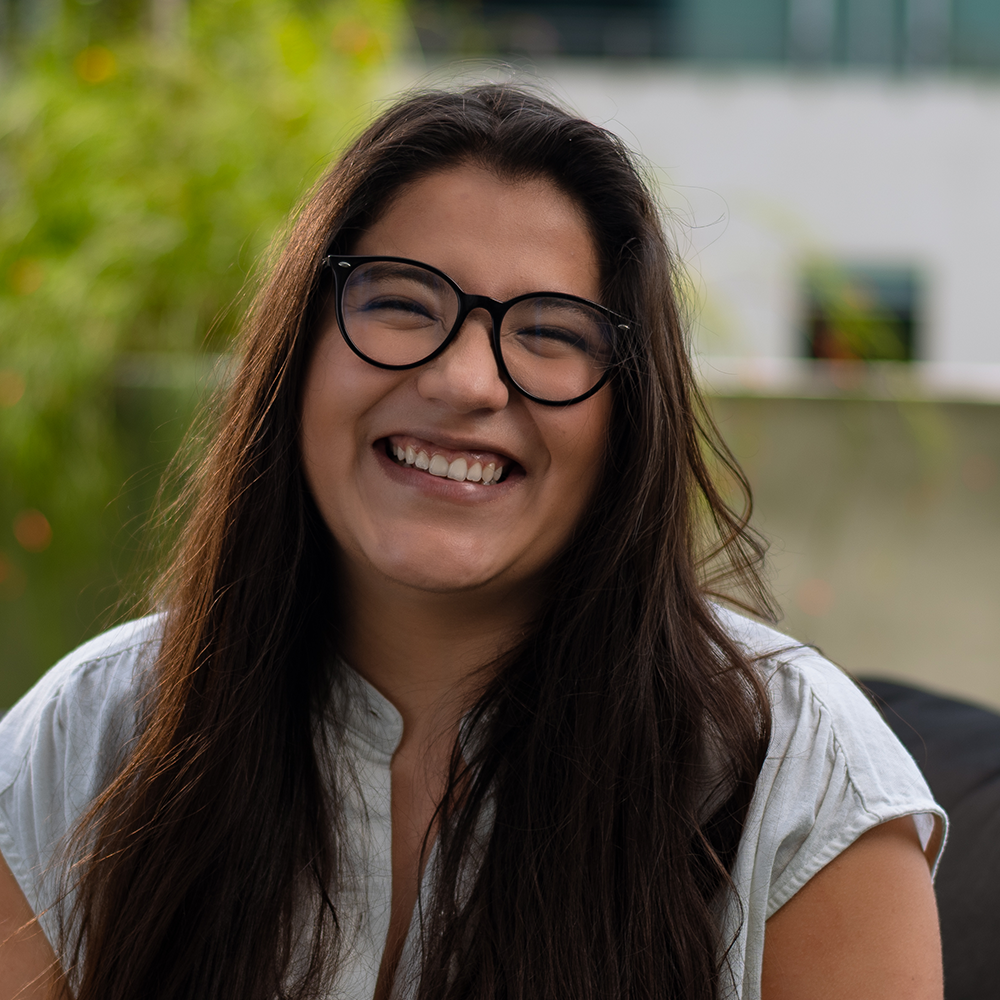
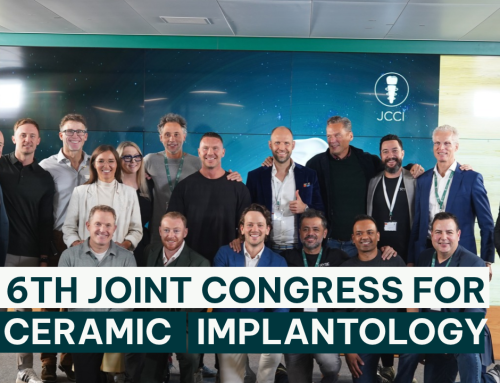
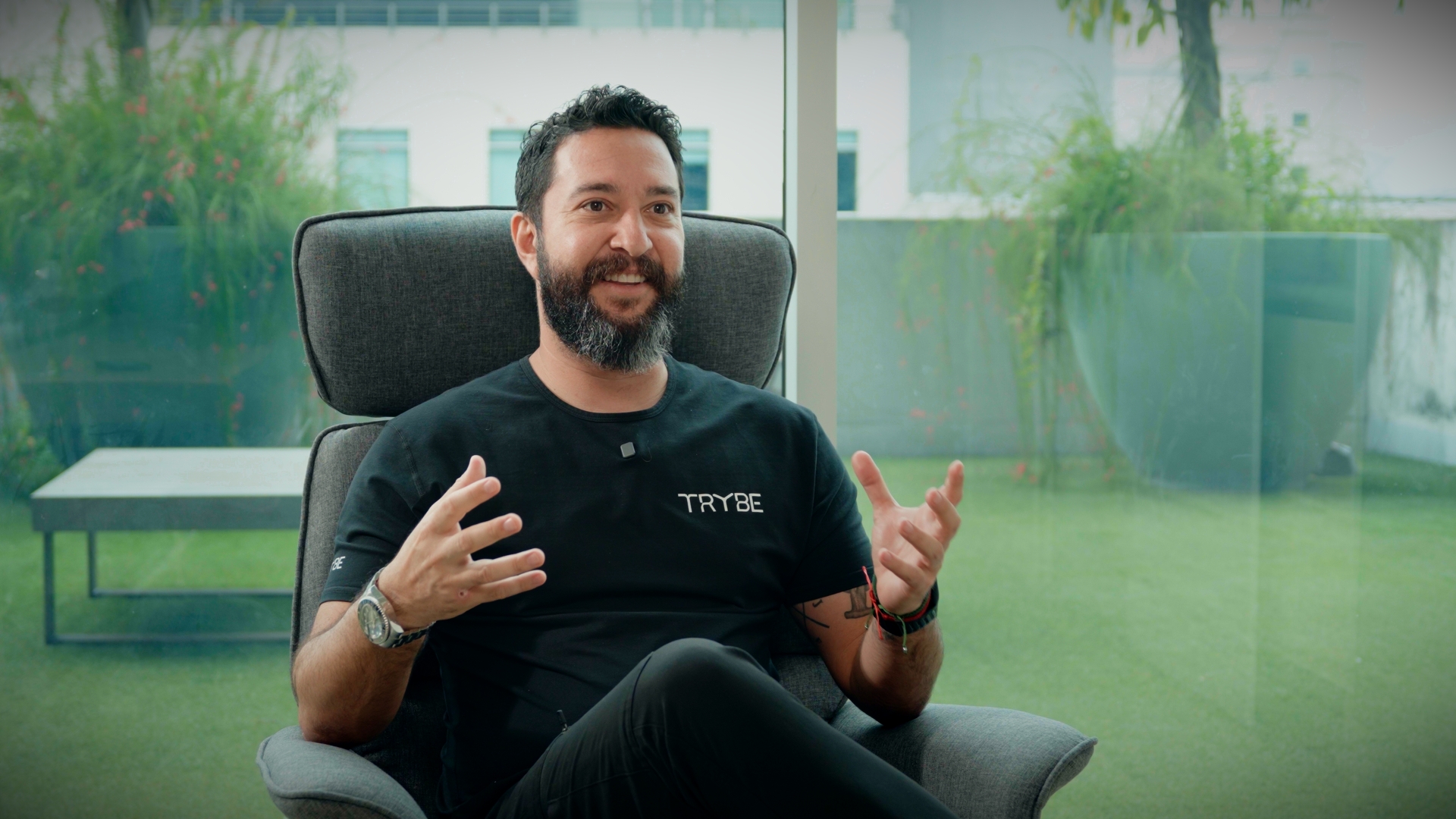
That's why Dr. Luciana Martínez, our Human Optimization Specialist, and Paula Muñoz, our R&D Excellence Director, attended EVOLVE by Exogenics, the first Central American Summit of Regenerative Medicine.
We make sure every treatment, supplement, and protocol we offer is backed by solid evidence before it reaches our patients. That's why we went. Meeting experts and hearing about their real experiences helps us stay up to date.
At TRYBE, we have plenty of experience with regenerative medicine. We offer plasma exchange, exosomes, and hyperbaric oxygen therapy, but we always make sure to use only technologies with scientific backing. Events like this summit help us look ahead while staying focused on what works now.
What Is the EVOLVE Summit?
EVOLVE gathered physicians, specialists, and researchers who are interested in the future of regenerative and advanced medicine. The program covered topics such as regenerative aesthetics, exosomes, secretomes, peptides, cell therapy, longevity, and functional medicine, with a focus on clinical protocols doctors can use in practice.
The speakers were well-known experts in their fields. Costa Rica's social security institution, the CCSS, recognized the summit as important for the industry. That's one of the main reasons we attended. Regulating regenerative therapies is a major topic right now and shouldn't be taken lightly.
Prepare the Body Before You Regenerate It
Every speaker seemed to agree on this point, and it's the one that stayed with our team the most.
Dra. Jassive Sánchez Tovar, a Mexican physician with over 25 years of experience, explained that all regenerative therapies, from peptides to stem cells, are more effective when the body is prepared.
"For all of these therapies, you have to prepare the body and have the ground as level as possible, so the treatment can work in the best way."
Dr. Luciana Martínez, Human Optimization SpecialistPreparation includes a medical consultation, lab tests, supplements, or changes to daily habits, followed by the regenerative therapy itself.
Dr. Alan Inman shared a similar view from a biohacking perspective. He said that lifestyle is the foundation for everything. If the nervous system is always on high alert, inflammation continues, and most therapies cannot overcome that. He discussed the importance of food, exercise, and stress management, especially focusing on fiber and protein.
"Everyone at the event agreed that the first thing to do is set up the person's microenvironment before using any regenerative method. That's also what we propose, and the kind of protocols we want to build."
Paula Muñoz, R&D Excellence DirectorThis is already the process we use at TRYBE. We start by evaluating, testing, and making a plan before moving forward.
Orthopedic Protocols Worth Studying
Dr. Federico Spikermann, an orthopedic surgeon from Argentina, gave a talk that stood out. He explained his step-by-step approach to knee treatment, from managing inflammation to supporting regeneration. He combined plasma with hyaluronic acid, explained how to prevent inflammation after joint injections, and walked through using PRP and exosomes for soft tissue.
Dr. Luciana noted that some of these ideas might apply to dental work, though on a much smaller scale. Oral tissue is smaller and more delicate, so any adaptation would need to be made carefully.
Secretomes and the Case for Staying Curious
Dra. Sánchez Tovar also discussed the potential of secretomes in regenerative and aesthetic medicine. Our team left thinking secretomes deserve more attention for the future.
"It could be a more affordable regenerative option for people who can't cover the cost of exosomes."
Paula Muñoz, R&D Excellence DirectorWe haven't made any decisions yet, and anything new would go through a clinical review first.
What's Still Being Studied
Dra. Silvina Pastrana talked about exosomes and peptides in diabetes. She made it clear that research on peptides is still in the early stages and not fully approved yet. We value this kind of openness in the field, and it's how we communicate with our own patients as well.
What Counts as PRP and PRF?
One session focused on the concentrations needed for a preparation to actually be called platelet-rich plasma or platelet-rich fibrin. While it may sound technical, it matters for patients. Two clinics might both offer "PRP" but provide very different products. Our team returned with clearer standards to compare our own protocols.
What This Means for You
You don't need to attend a summit to benefit from this information. If you're interested in regenerative therapies like exosomes, the process is the same for everyone. We start with a full conversation about your health history, order the labs that fit your symptoms, and review your sleep, stress, diet, and activity. Regenerative therapies come later, once your body is ready.