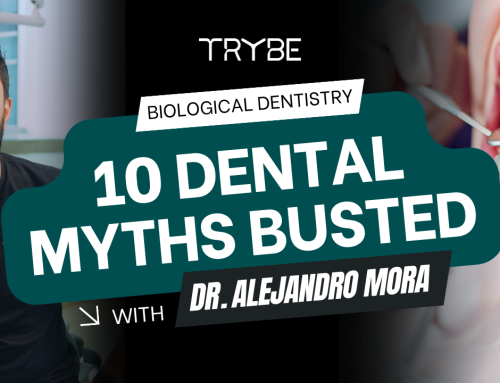
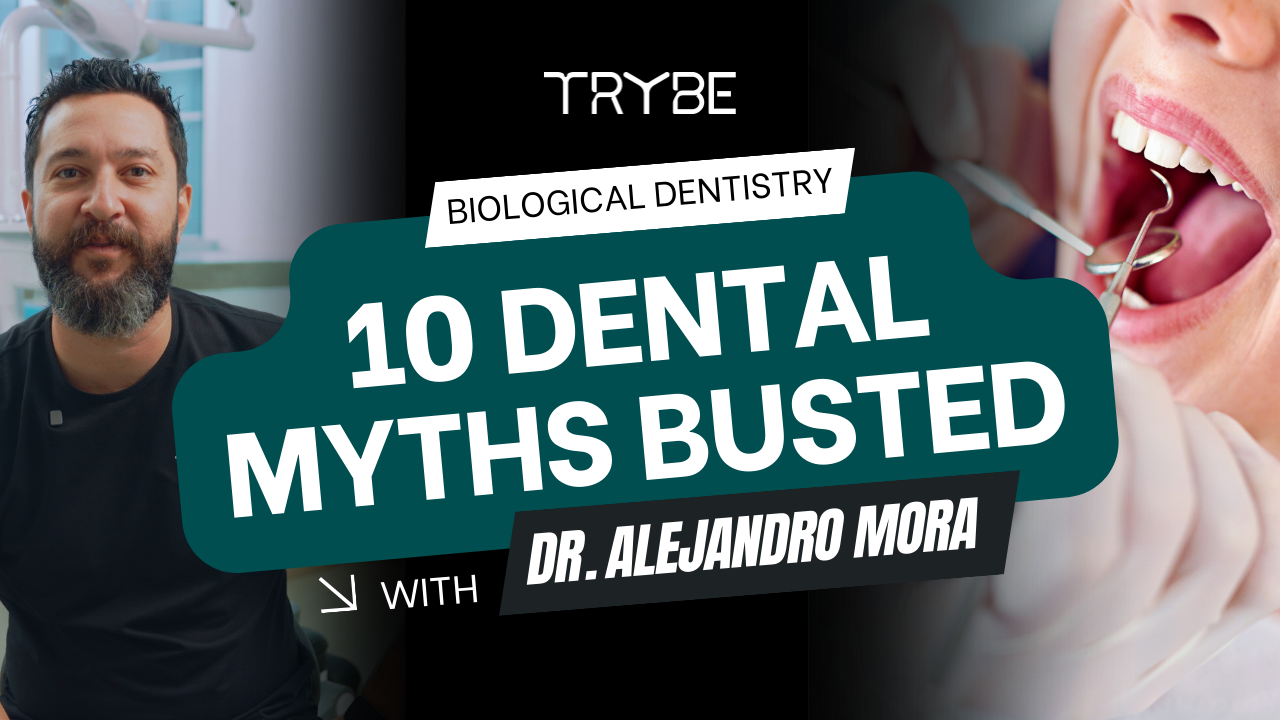
Top 10 Questions About Biological Dentistry We Hear Every Week
Biological dentistry is finally getting attention, but that doesn’t mean it’s understood.
At TRYBE, we don’t just practice this approach. We teach it. We live it. And we hear the same questions from patients every single week.
So we made this simple. Below are 10 of the most common questions we hear from patients, along with our honest, evidence-based answers.
⸻
1. What is biological dentistry, really?
Biological dentistry is an approach that connects oral health to the health of your entire body. We use non-toxic materials, avoid procedures that overload the immune system, and focus on reducing inflammation from the source: the mouth.
⸻
2. Is it just natural or alternative dentistry?
No. Biological dentistry is grounded in science, cellular biology, and functional medicine. It’s not about crystals and coconut oil. It’s about respecting how every procedure and every material interacts with your immune and nervous system.

⸻
3. Why are root canals controversial?
Root canals can trap bacteria deep inside the tooth, where your immune system can’t fully reach. Over time, that can cause chronic inflammation, which is linked to heart disease, autoimmune issues, and more. At TRYBE, we explore safer alternatives like extraction or ceramic implants when appropriate.
⸻
4. What materials are safest for dental work?
We only use biocompatible materials, most commonly ceramic. Unlike metals like titanium or mercury, ceramic doesn’t corrode, trigger immune reactions, or interfere with your body’s electrical signals. It’s strong, safe, and inflammation-free.
⸻
5. How does dental health affect your immune system?
Your mouth is full of blood vessels and nerves that connect to vital organs. Infections in the mouth can travel, affecting your brain, heart, and gut. When your mouth is inflamed, your whole body is inflamed.
⸻
6. What is silent inflammation?
Silent inflammation is low-grade, chronic stress on your body. It doesn’t scream. It simmers. And it’s one of the most common effects of unresolved dental infections, toxins, or metals. You might not feel it, but your body does.
⸻
7. What is HRV and why do you track it?
HRV (Heart Rate Variability) gives us insight into how your nervous system is coping. We track it before, during, and after treatments to understand how your body is responding—and to make sure healing is actually happening.

⸻
8. Is detox part of the process?
Absolutely. Once toxic materials are removed, we support the body with protocols that include hydration, nutrients, and sometimes IV therapy. This helps reduce inflammation and rebalance the system after years of toxic exposure.
⸻
9. Do nutrition and lifestyle play a role?
Big time. We optimize key nutrients like vitamin D, K2, magnesium, and more. We also coach patients on sleep, EMF exposure, and gut health, because real healing doesn’t happen in isolation. Your lifestyle matters.
⸻
10. Is biological dentistry only for people who are sick?
Not at all. Many of our patients come to us to stay well, not because they’re unwell. If you want to prevent disease, reduce toxic load, and feel better long-term, biological dentistry is a smart place to start.
⸻

Your mouth isn’t a separate system. It’s the gateway to your entire body. And whether you’re managing chronic illness or simply want to prevent one, biological dentistry gives you options rooted in science, designed for longevity.
———
📍 Book your free TRYBE consult → alltrybe.com
📞 (305) 428-3820 Follow us: Instagram | Facebook | TikTok | Linkedin: @trybe.health
Disclaimer: All content shared by TRYBE is intended for informational and educational purposes only. It does not constitute medical advice, diagnosis, or treatment. Everybody is unique—and so is every health journey. Decisions regarding your care should always be made in consultation with a qualified healthcare professional who understands your individual needs. TRYBE provides research, insights, and wellness tools to support informed decision-making, but these resources are not a substitute for personalized medical guidance. Always speak with your physician before initiating, modifying, or discontinuing any treatment.